RANA
Mahahual · Quintana Roo · Selva Maya · Humedales
Cuando llegan las lluvias, la selva cambia de sonido. Entre charcas, cenotes, humedales, manglares y hojarasca comienza uno de los coros naturales más antiguos del planeta.
Mahahual · Quintana Roo · Maya Forest · Wetlands
When the rains arrive, the forest changes its soundtrack. Ponds, cenotes, wetlands, mangroves and leaf litter become home to one of nature’s oldest nighttime choruses.
Una noche húmeda en Mahahual puede parecer silenciosa hasta que aprendemos a escuchar.
Primero aparece una llamada aislada. Después responde otra. En cuestión de minutos, la vegetación puede convertirse en un coro formado por pequeños anfibios que intentan encontrar pareja, defender espacios o comunicarse.
Ranas y sapos pertenecen al orden Anura, el grupo más diverso de anfibios actuales.
Su historia está ligada a la humedad, la lluvia y los cuerpos de agua, aunque algunas especies han desarrollado estrategias sorprendentes para vivir lejos de agua permanente.
A humid night in Mahahual can seem quiet until you learn how to listen.
One call begins, then another answers. Within minutes, vegetation can become an orchestra of amphibians communicating, defending territories and searching for mates.
Frogs and toads belong to the order Anura, the most diverse group of living amphibians.
🔎 Los anfibios en números
9,123 especies
de anfibios reconocidas
8,034 especies
de Anura
22 especies de anfibios
reportadas por CONABIO
para Quintana Roo
~41 % amenazadas
globalmente
La taxonomía cambia constantemente. Nuevas especies siguen siendo descritas y los estudios genéticos pueden unir o separar poblaciones que antes se consideraban especies diferentes.
🔎 Amphibians by the numbers
9,123 recognized
amphibian species
8,034 species
of Anura
22 amphibian species
reported for Quintana Roo
by CONABIO
~41% globally
threatened
🐸 ¿Cuál es la diferencia entre una rana y un sapo?
Aquí aparece uno de los mitos más persistentes sobre los anfibios.
Los sapos también son ranas.
“Rana” y “sapo” son principalmente términos comunes, no dos divisiones científicas absolutas.
🐸 Lo que solemos llamar rana
Generalmente imaginamos un animal de piel más lisa, cuerpo esbelto, patas posteriores largas y mayor asociación con ambientes húmedos.
🟤 Lo que solemos llamar sapo
Normalmente pensamos en especies de piel más rugosa, cuerpo robusto, patas relativamente cortas y glándulas defensivas visibles detrás de los ojos.
🐸 What is the difference between a frog and a toad?
Toads are frogs. The terms “frog” and “toad” are common-language labels rather than two absolute scientific divisions.
Species commonly called toads often have rougher skin, stockier bodies and prominent defensive glands, but exceptions exist.
💧 Una piel que respira y absorbe agua
Una rana no lleva simplemente su piel: depende de ella
La piel de muchos anfibios es delgada, húmeda y altamente vascularizada.
A través de ella pueden intercambiar gases, participar en la regulación de agua y sales y absorber humedad directamente del ambiente.
Muchas ranas poseen una región especialmente eficiente para absorber agua en la parte inferior del cuerpo, a veces llamada pelvic patch o zona de absorción.
Esa permeabilidad les proporciona ventajas extraordinarias, pero también las vuelve sensibles a cambios químicos en el ambiente.
Además, la superficie de su piel alberga un microbioma: comunidades de bacterias y otros microorganismos que pueden participar en la defensa frente a patógenos.
💧 Skin that breathes and absorbs water
Amphibian skin is much more than an outer covering.
In many species it participates in gas exchange, water absorption and regulation of salts.
The skin also hosts microbial communities that can form part of the animal’s natural defense system.
🥚 De huevo a renacuajo y de renacuajo a rana
El ciclo de vida clásico de una rana parece una transformación casi imposible.
Muchas especies depositan huevos en agua o vegetación asociada al agua.
La fase larvaria suele ser acuática y respira principalmente mediante branquias.
Aparecen patas, cambian boca y sistema digestivo y la cola comienza a reabsorberse.
El nuevo organismo puede ocupar ambientes terrestres, arbóreos o acuáticos.
🥚 Pero no todas necesitan un renacuajo libre
La metamorfosis con renacuajo es muy conocida, pero los anfibios han desarrollado estrategias reproductivas mucho más diversas.
En algunas ranas de grupos como Craugastor, el desarrollo ocurre dentro del propio huevo.
En lugar de salir un renacuajo que deberá nadar, del huevo emerge una pequeña rana completamente formada.
🥚 Not every frog needs a free-swimming tadpole
Some frogs, including species in groups such as Craugastor, have direct development.
Development occurs inside the egg, and a tiny frog emerges without a free-swimming tadpole stage.
🎵 ¿Por qué cantan las ranas?
Lo que llamamos “canto” es en realidad una forma de comunicación acústica.
En muchas especies, los machos producen llamadas que permiten anunciar su presencia, atraer hembras y mantener distancia respecto de otros machos.
💙 Llamada de anuncio
Ayuda a atraer una pareja y comunicar la identidad de la especie.
⚔️ Llamadas territoriales
Pueden utilizarse en interacciones entre machos cercanos.
🌧️ Coros reproductivos
Después de lluvias intensas, cientos de individuos pueden vocalizar simultáneamente.
👂 Identidad acústica
Ritmo, duración, frecuencia y estructura ayudan a distinguir especies.
🌧️ Cuando llueve, la selva despierta
En climas tropicales con temporadas secas y lluviosas, muchas especies sincronizan parte de su reproducción con precipitaciones.
Las lluvias pueden formar charcas temporales libres de peces, aumentar la humedad y crear una ventana breve de condiciones ideales para huevos y renacuajos.
🌧️ When the rain arrives, the forest wakes up
Rain creates temporary pools, raises humidity and can trigger breeding activity in many tropical frogs and toads.
Warm, humid nights after rainfall can be excellent for listening to amphibian choruses.
🐸 Algunas especies documentadas en Quintana Roo y la Península de Yucatán
La región tiene una comunidad de anuros mucho más diversa de lo que suele parecer durante la estación seca.
🟤 Sapo grande · Rhinella horribilis
Sapo robusto ampliamente distribuido en las tierras bajas tropicales de Mesoamérica. Durante muchos años fue confundido taxonómicamente con Rhinella marina.
🌾 Sapo costero · Incilius valliceps
Especie de tierras bajas y elevaciones moderadas de la vertiente atlántica de Mesoamérica. Puede utilizar ambientes abiertos, vegetación húmeda y cuerpos temporales de agua.
🌳 Ranita de Stauffer · Scinax staufferi
Rana arborícola de cuerpo relativamente delgado asociada con sabanas, bosques tropicales y ambientes con vegetación.
🎵 Rana túngara · Engystomops pustulosus
Está documentada en Campeche y Quintana Roo. Sus vocalizaciones reproductivas han convertido a esta especie en uno de los anfibios más estudiados en bioacústica.
🤍 Rana de labio blanco · Leptodactylus fragilis
Especie terrestre que suele reproducirse en ambientes temporales durante la temporada de lluvias.
💧 Rana de Vaillant · Lithobates vaillanti
Rana robusta ligada a ríos, lagunas, charcas y otros ambientes acuáticos tropicales de Mesoamérica.
🪨 Rana cabeza de casco yucateca · Triprion petasatus
Una de las ranas más características de la Península de Yucatán. Su cabeza aplanada y endurecida puede ayudarle a refugiarse en cavidades.
🕳️ Sapo excavador mexicano · Rhinophrynus dorsalis
Es una especie evolutivamente muy singular. Rhinophrynus es actualmente el único género viviente de su familia, Rhinophrynidae.
🐑 Rana oveja · Hypopachus variolosus
Pequeña rana de boca estrecha que pasa buena parte del tiempo oculta en el suelo y aparece con mayor frecuencia después de lluvias.
🌿 Rana arborícola mexicana · Smilisca baudinii
Rana arborícola de amplia distribución en Mesoamérica, asociada con bosques tropicales, vegetación y ambientes estacionales.
🐸 Some frogs and toads of Quintana Roo and the Yucatán Peninsula
🟤 Rhinella horribilis
A large Mesoamerican cane toad found throughout tropical lowlands.
🌾 Incilius valliceps
Southern Gulf Coast toad associated with lowland habitats and seasonal water.
🌳 Scinax staufferi
A slender treefrog of tropical and subhumid habitats.
🎵 Engystomops pustulosus
The túngara frog, a species famous for studies of acoustic communication.
🤍 Leptodactylus fragilis
White-lipped frog, often active around temporary rainy-season pools.
💧 Lithobates vaillanti
A robust frog associated with tropical aquatic environments.
🪨 Triprion petasatus
The Yucatecan casque-headed treefrog, widely distributed across the Yucatán Peninsula.
🕳️ Rhinophrynus dorsalis
A distinctive burrowing frog and the only living member of its genus.
🌿 ¿Por qué llamamos bioindicadores a los anfibios?
Su dependencia simultánea de ambientes acuáticos y terrestres, junto con la permeabilidad de su piel, hace que muchas especies respondan a cambios ambientales.
Los científicos pueden estudiar presencia, ausencia, diversidad, abundancia, éxito reproductivo y cambios poblacionales para comprender qué está ocurriendo en un ecosistema.
🌿 Why are amphibians called bioindicators?
Amphibians connect aquatic and terrestrial environments, while their permeable skin makes many species sensitive to environmental change.
Scientists therefore examine population trends, species composition and reproduction as part of ecosystem monitoring.
🦟 Cazadores pequeños con un papel enorme
Muchas ranas y sapos adultos consumen grandes cantidades de invertebrados.
🦟 Mosquitos
Pueden formar parte de la dieta de algunas especies, especialmente cuando abundan.
🪲 Escarabajos
Numerosos anuros consumen escarabajos y otros insectos terrestres.
🐜 Hormigas y termitas
Son recursos importantes para varias especies pequeñas y excavadoras.
🕷️ Arañas y otros invertebrados
Su dieta puede incluir numerosos artrópodos disponibles en la hojarasca.
Al mismo tiempo, ellos mismos son alimento para serpientes, aves, lagartijas, peces, mamíferos y otros depredadores.
⚠️ ¿Los sapos son venenosos?
Muchos sapos poseen glándulas defensivas capaces de producir secreciones desagradables o tóxicas para posibles depredadores.
Las grandes glándulas situadas detrás de los ojos se llaman glándulas parotoideas.
Estas secreciones no significan que un sapo vaya a “atacar” a una persona. Son principalmente un mecanismo defensivo.
⚠️ Are toads poisonous?
Many toads produce defensive secretions from glands in their skin.
Large parotoid glands behind the eyes can release substances that discourage predators.
Dogs and cats may become ill after mouthing certain toads, so pets should never be allowed to bite them.
🚨 Una crisis global de anfibios
Pocas clases de vertebrados enfrentan una situación tan delicada.
La evaluación mundial encontró que pérdida de hábitat, enfermedades y cambio climático continúan impulsando los declives.
Desde 2004, el cambio climático se convirtió en un factor cada vez más importante en el deterioro del estado de conservación de muchas especies.
🚨 A global amphibian crisis
The second Global Amphibian Assessment found that approximately 40.7% of assessed amphibian species were globally threatened.
Habitat loss, disease and climate change continue to drive population declines.
🦠 El enemigo microscópico: la quitridiomicosis
Una de las enfermedades más importantes en la crisis mundial de anfibios es la quitridiomicosis.
Está relacionada con hongos quitridios, especialmente Batrachochytrium dendrobatidis, conocido como Bd.
Este hongo infecta la piel de anfibios. Eso resulta especialmente peligroso porque la piel participa en funciones vitales como hidratación, intercambio de gases y regulación de electrolitos.
🦠 The microscopic enemy: chytridiomycosis
Chytridiomycosis, especially disease caused by Batrachochytrium dendrobatidis or Bd, has played a major role in amphibian declines around the world.
The fungus infects amphibian skin, interfering with physiological functions essential to survival.
🛡️ Amenazas en un paisaje como Mahahual
💧 Pérdida de humedales
Rellenar o modificar charcas, aguadas y zonas inundables elimina sitios reproductivos.
🌳 Deforestación
Reduce sombra, humedad, refugios y conectividad entre hábitats.
🧪 Pesticidas
Pueden afectar directamente a anfibios o alterar sus presas y ambientes acuáticos.
🚽 Contaminación
Aguas residuales, químicos y basura pueden modificar la calidad de charcas y cuerpos de agua.
🚗 Carreteras
Durante las lluvias muchos anfibios cruzan caminos, aumentando el riesgo de atropellamiento.
🌡️ Cambio climático
Cambios en temperatura, lluvia y duración de los periodos secos pueden alterar ciclos reproductivos.
🔦 Cómo observar ranas y sapos responsablemente
🔦 How to watch frogs and toads responsibly
🧠 Mitos rápidos
❌ “Los sapos causan verrugas”
No. Las protuberancias de su piel no transmiten verrugas humanas.
❌ “Todos los sapos son peligrosos”
No. Sus secreciones son defensivas y el riesgo varía enormemente entre especies.
❌ “Una rana significa agua limpia”
No necesariamente. El valor bioindicador depende de qué especies están presentes y cómo cambia la comunidad.
❌ “Todas necesitan una charca”
No. Algunas especies presentan desarrollo directo y completan su desarrollo dentro del huevo.
📷 Galería · Ranas y sapos
Forma del cuerpo, textura de la piel, glándulas, coloración, dedos, ojos y patrón dorsal pueden ayudar en la identificación.
📷 Gallery · Frogs and toads
Body shape, skin texture, glands, coloration, toes, eyes and dorsal patterns can all help with identification.
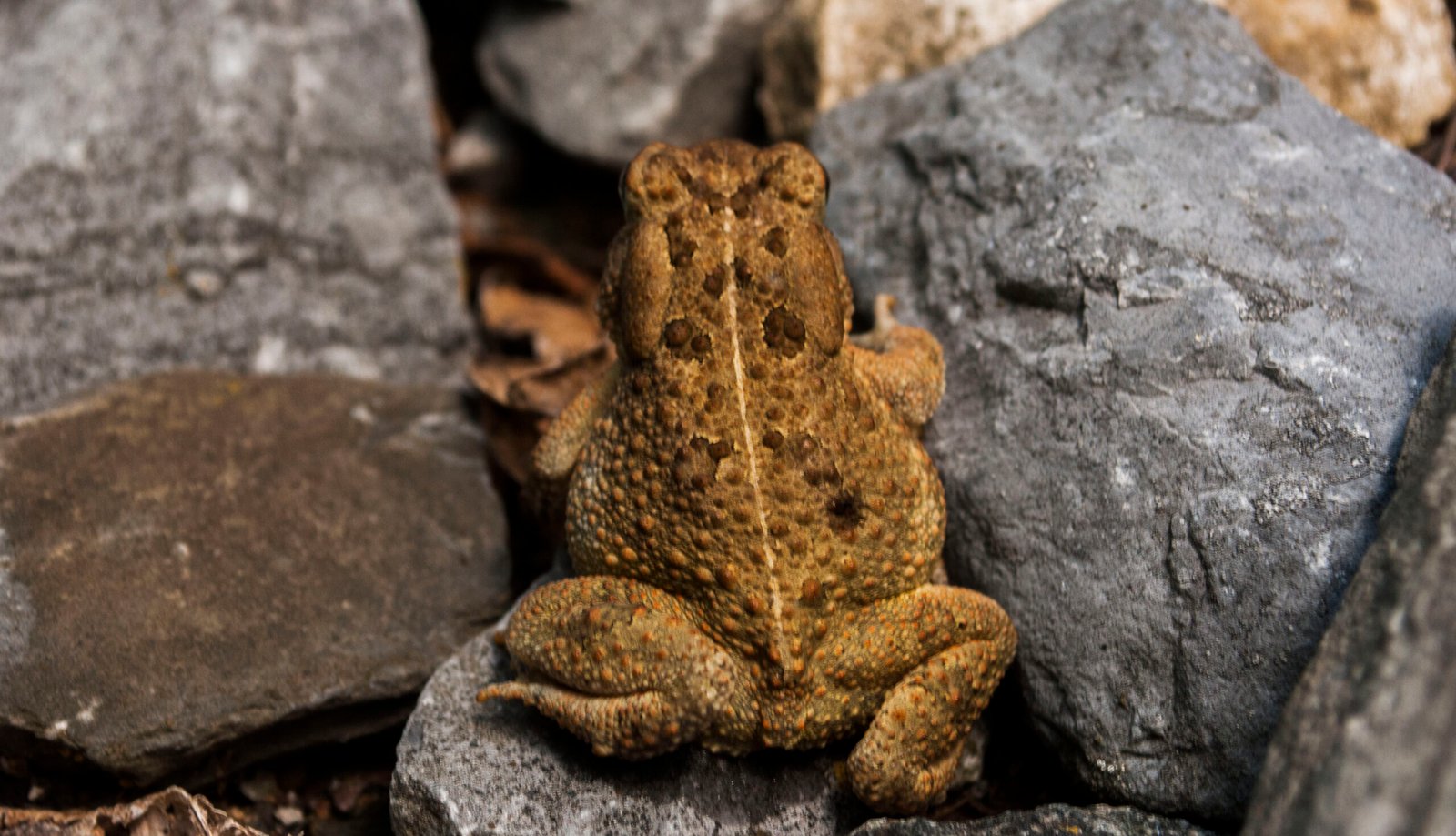
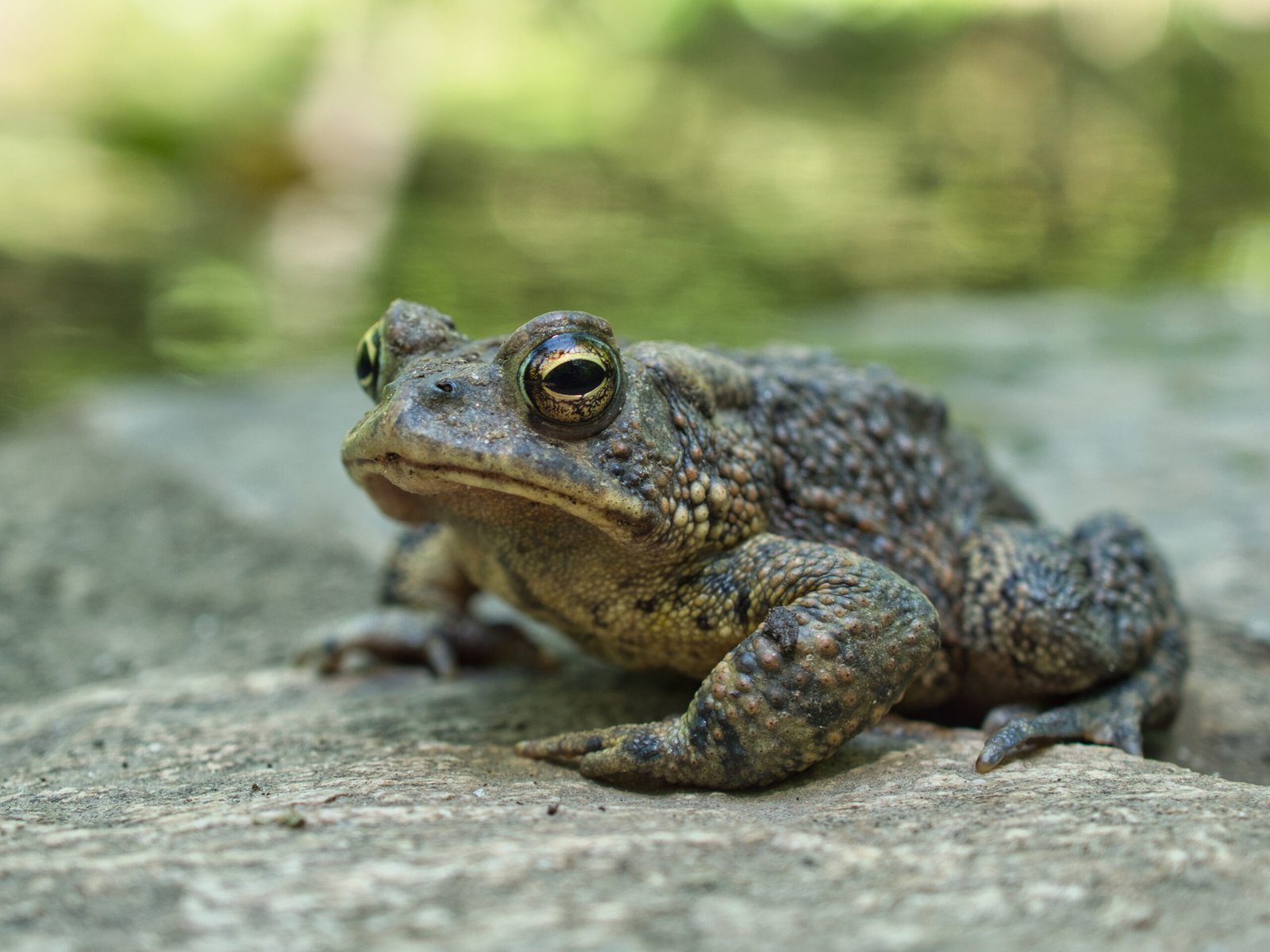
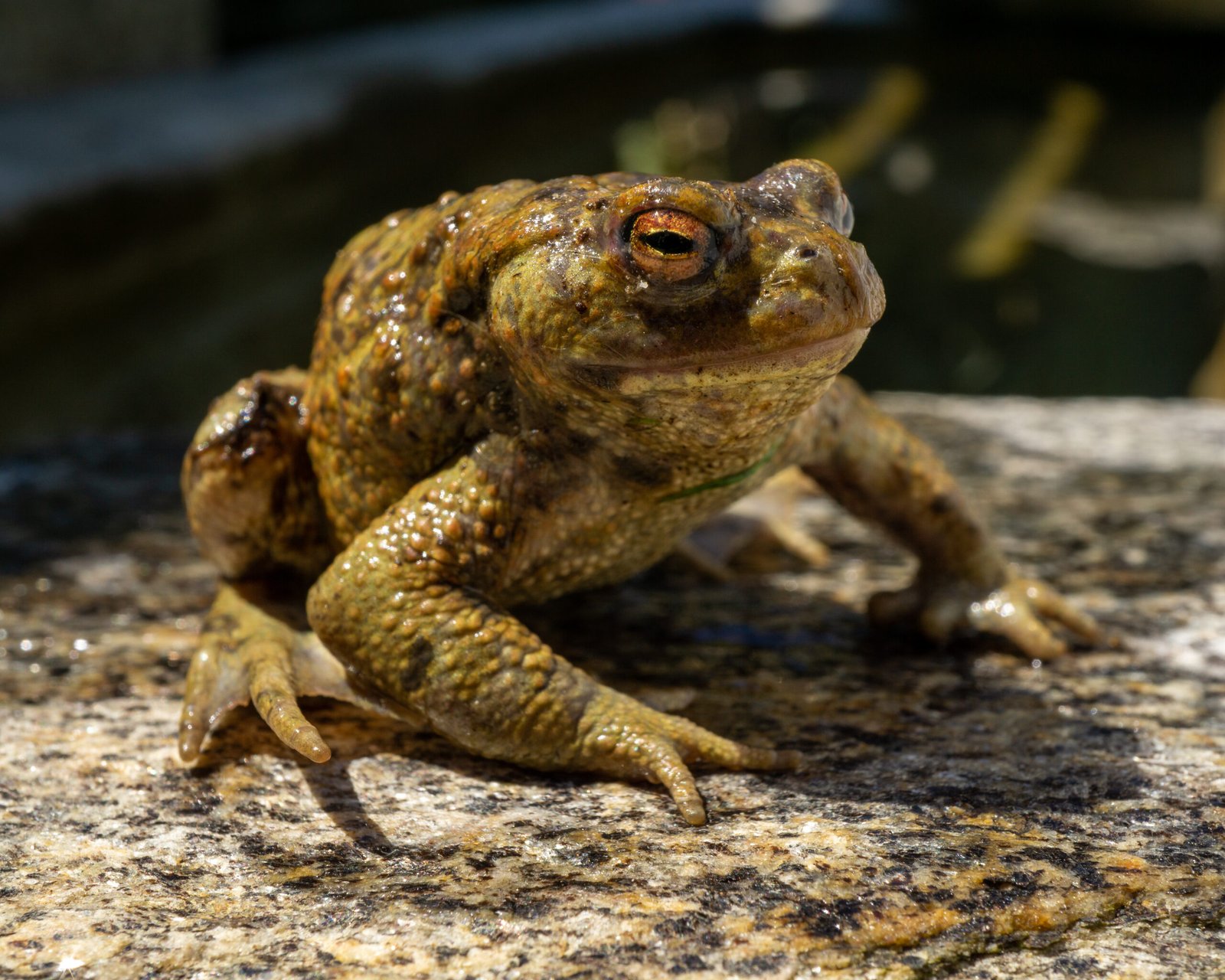
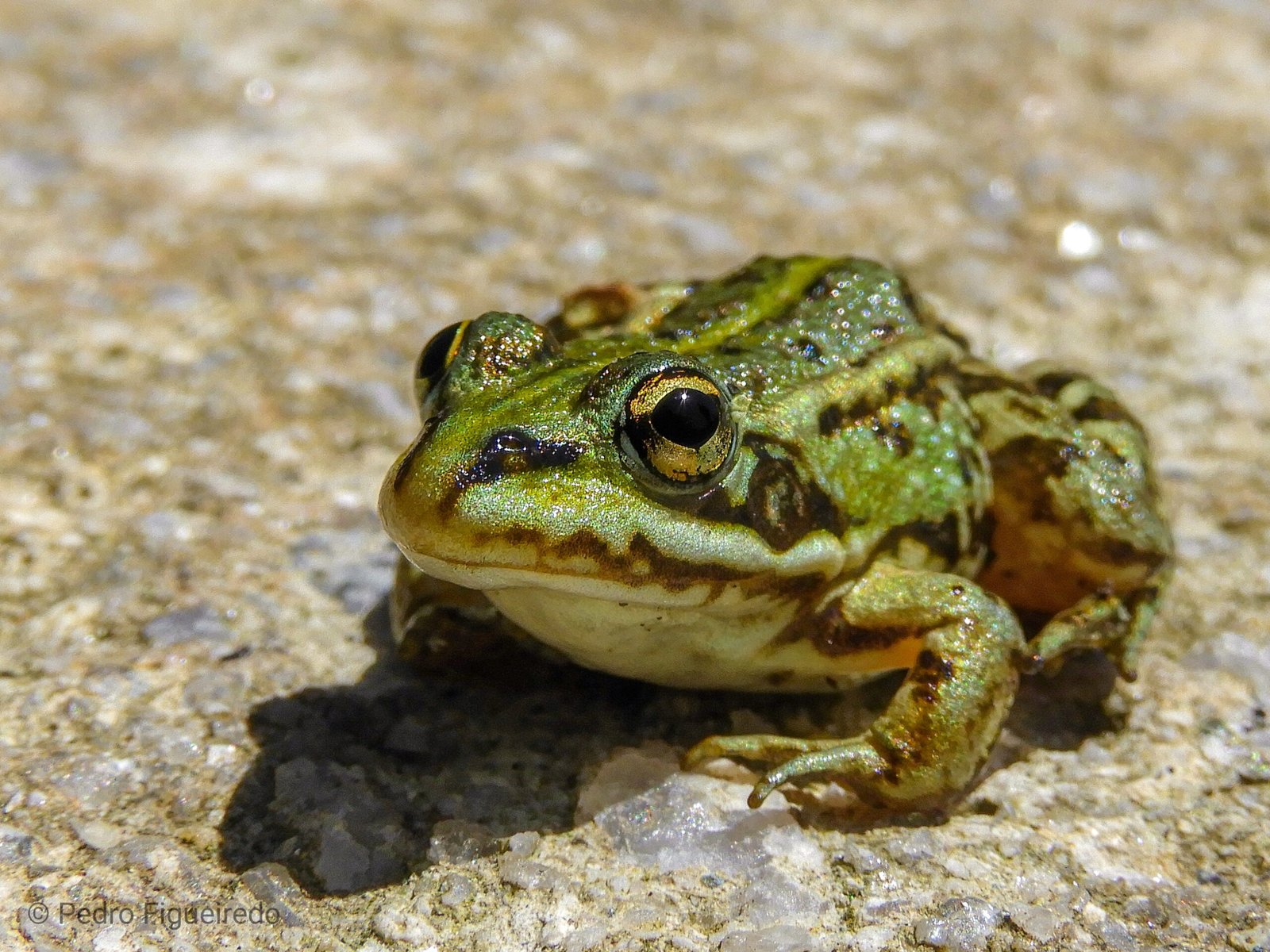
Nota: estas fotografías se presentan como imágenes ilustrativas de ranas y sapos. No asignamos una identificación a nivel de especie únicamente por apariencia o por el nombre del archivo, y no todas las imágenes necesariamente fueron tomadas en Mahahual.
Note: these photographs are presented as illustrative frog and toad images. No species-level identification is assigned solely from general appearance or filename, and not every photograph was necessarily taken in Mahahual.
❓ Preguntas frecuentes
¿Hay ranas y sapos en Mahahual?
Sí. La región de Mahahual contiene selva, humedales, manglares, cuerpos temporales de agua y otros ambientes capaces de sostener distintas especies de anfibios. Sin embargo, no asumimos que todas las especies registradas para Quintana Roo estén presentes dentro del poblado de Mahahual.
¿Cuál es la diferencia entre rana y sapo?
Los sapos forman parte del gran grupo de las ranas, Anura. “Rana” y “sapo” son principalmente nombres comunes. Los sapos suelen asociarse con cuerpos robustos, piel rugosa y glándulas parotoideas, pero existen excepciones.
¿Cuántas especies de anfibios hay en Quintana Roo?
El Estudio de Estado de Biodiversidad de CONABIO reportó 22 especies de anfibios para Quintana Roo. La cifra puede cambiar conforme avanzan los inventarios y la taxonomía.
¿Cuándo es mejor escuchar ranas en Mahahual?
Las mejores oportunidades suelen ocurrir durante noches cálidas y húmedas, particularmente durante la temporada de lluvias y después de precipitaciones.
¿Por qué cantan las ranas?
Principalmente para comunicarse. Los machos de muchas especies utilizan llamadas para atraer hembras, anunciar su presencia y comunicarse con otros machos.
¿Las ranas respiran por la piel?
Muchas especies realizan parte del intercambio gaseoso a través de su piel húmeda. La importancia de la respiración cutánea varía entre especies.
¿Las ranas beben agua?
Muchos anfibios absorben buena parte del agua directamente a través de la piel, especialmente mediante zonas especializadas de la parte inferior del cuerpo.
¿Todas las ranas pasan por renacuajo?
No. Algunas especies presentan desarrollo directo: el embrión completa su transformación dentro del huevo y emerge como una pequeña rana.
¿Los sapos causan verrugas?
No. Las protuberancias de la piel de un sapo no producen las verrugas humanas.
¿Los sapos pueden intoxicar a un perro?
Sí. Algunos sapos producen secreciones defensivas que pueden causar intoxicación cuando un perro los muerde o lleva en la boca. Si ocurre una exposición, debe buscarse atención veterinaria rápidamente.
¿Las ranas comen mosquitos?
Algunas sí, pero la dieta de los anfibios suele incluir muchos tipos de insectos y otros invertebrados. No deben considerarse un método de control total de mosquitos.
¿Las ranas son indicadores de agua limpia?
No de forma automática. Los anfibios son excelentes grupos para monitoreo ambiental, pero una evaluación debe considerar qué especies existen, su abundancia y cómo cambian las poblaciones con el tiempo.
¿Qué es la quitridiomicosis?
Es una enfermedad causada por hongos quitridios. Uno de los principales es Batrachochytrium dendrobatidis, o Bd, que infecta la piel de los anfibios y ha estado asociado con fuertes declives de poblaciones en diferentes regiones del mundo.
¿Puedo tocar una rana para fotografiarla?
Lo mejor es no hacerlo. La fotografía de vida silvestre debe realizarse sin capturar, trasladar o manipular al animal.
¿Por qué están desapareciendo los anfibios?
Entre las principales amenazas globales se encuentran pérdida y degradación del hábitat, enfermedades, contaminación, especies invasoras y cambio climático.
❓ Frequently asked questions
Are frogs and toads found around Mahahual?
Yes. The region contains forest, wetlands, mangroves and seasonal water bodies capable of supporting amphibians.
What is the difference between a frog and a toad?
Toads are frogs. The two words are common labels rather than absolute scientific categories.
Do frogs breathe through their skin?
Many amphibians perform part of their gas exchange through moist skin, although its importance differs among species.
Do all frogs have tadpoles?
No. Some species have direct development and hatch as tiny frogs.
Can toads poison dogs?
Some toads produce defensive toxins capable of causing illness when dogs bite or mouth them.
Why are amphibians threatened?
Major global threats include habitat loss, disease, pollution, invasive species and climate change.
📚 Fuentes científicas y referencias
- American Museum of Natural History · Amphibian Species of the World — taxonomía mundial actualizada, distribución y cambios nomenclaturales.
- CONABIO · La Biodiversidad en Quintana Roo — diversidad de anfibios y otros grupos documentados en el estado.
- Nature · Second Global Amphibian Assessment — estado global de conservación, amenazas y tendencias de más de 8,000 especies evaluadas.
- IUCN Red List · Summary Statistics 2026 — estimación actual de la proporción global de anfibios amenazados.
- American Museum of Natural History · Thin Skin — respiración cutánea, absorción de agua, mucus y glándulas de la piel.
- U.S. Geological Survey · Amphibian Diseases — quitridiomicosis, Bd y otras enfermedades emergentes.
- Amphibian Species of the World · Rhinella horribilis — taxonomía y distribución del sapo grande mesoamericano.
- Amphibian Species of the World · Engystomops pustulosus — registro para Campeche y Quintana Roo y referencias taxonómicas.
- Amphibian Species of the World · Triprion petasatus — distribución en la Península de Yucatán.
- Merck Veterinary Manual · Toad Poisoning — toxicidad de secreciones de sapos en perros y gatos.
- CDC · Reptiles and Amphibians · 2026 — higiene y contacto responsable con anfibios.
📚 Scientific sources
- American Museum of Natural History — Amphibian Species of the World.
- CONABIO — Biodiversity of Quintana Roo.
- Nature — Second Global Amphibian Assessment.
- IUCN Red List — 2026 summary statistics.
- American Museum of Natural History — amphibian skin biology.
- U.S. Geological Survey — amphibian diseases and chytrid fungus.
- Merck Veterinary Manual — toad poisoning in dogs and cats.
Estamos escuchando humedad en la selva, agua acumulándose en una charca, insectos moviéndose entre la vegetación y una nueva generación preparándose para comenzar.
Los anfibios ocupan un lugar extraordinario entre agua y tierra.
Respiran parcialmente a través de la piel, transforman completamente su cuerpo durante el desarrollo y convierten la lluvia en una oportunidad para reproducirse.
Pero esa misma dependencia del ambiente los hace vulnerables.
Proteger las ranas y sapos de Mahahual significa proteger algo mucho mayor: la selva, los humedales, el agua y las noches lluviosas que mantienen vivo al Caribe mexicano.
We are hearing humidity in the forest, water filling a temporary pool, insects moving through vegetation and another generation preparing to begin.
Amphibians occupy an extraordinary place between water and land.
Protecting Mahahual’s frogs and toads ultimately means protecting forests, wetlands, water and the rainy nights that keep the Mexican Caribbean alive.