
TAPIR
Mahahual · Costa Maya · Selva Maya · Quintana Roo
El tapir centroamericano, también conocido como tapir de Baird, es el mamífero terrestre nativo más grande de Mesoamérica. Su supervivencia conecta selva, humedales, aguadas, corredores biológicos y carreteras del sur de Quintana Roo.
Mahahual · Costa Maya · Maya Forest · Quintana Roo
Baird’s tapir is Mesoamerica’s largest native terrestrial mammal. Its survival connects forests, wetlands, waterholes, wildlife corridors and roads throughout southern Quintana Roo.
Puede pesar cientos de kilos y aun así desaparecer entre la vegetación con sorprendente facilidad.
El tapir centroamericano es un animal robusto, tímido y principalmente solitario. Su característica probóscide, formada por la nariz y el labio superior, funciona como una pequeña trompa flexible con la que explora y manipula alimento.
En el sur de Quintana Roo comparte el paisaje con jaguares, pecaríes, monos, venados y una extraordinaria diversidad tropical.
It can weigh hundreds of kilograms and still disappear into tropical vegetation with remarkable ease.
Baird’s tapir is robust, shy and generally solitary. Its flexible proboscis, formed by the nose and upper lip, helps manipulate leaves, shoots and fruit.
Regional planning documents list the species among the wildlife of the Mahahual area, and a wild individual was publicly documented crossing a road near Mahahual in July 2026.
🧬 ¿Tapirella bairdii o Tapirus bairdii?
Aquí encontramos una de las partes más interesantes de la actualización.
El catálogo taxonómico de CONABIO reconoce actualmente Tapirella bairdii como nombre válido y registra Tapirus bairdii como sinónimo.
Sin embargo, Mammal Diversity Database, una de las referencias internacionales modernas para mamíferos, mantiene Tapirus bairdii y trata Tapirella como subgénero.
🧬 Tapirella bairdii or Tapirus bairdii?
Different modern taxonomic authorities currently use different generic treatments.
CONABIO recognizes Tapirella bairdii as valid, while the Mammal Diversity Database retains Tapirus bairdii and treats Tapirella as a subgenus.
They refer to the same species, not two different tapirs.
🔎 Ficha rápida
🔎 Quick profile
🌿 Un cuerpo diseñado para abrirse paso por la selva
👃 Probóscide flexible
Le ayuda a explorar, sujetar y acercar vegetación a la boca.
🐾 Patas compactas
Su cuerpo robusto y patas relativamente cortas facilitan moverse entre vegetación densa.
👂 Bordes blancos
Los adultos presentan característicos bordes claros alrededor de las orejas.
🦓 Crías rayadas
Los juveniles nacen con manchas y líneas claras que rompen visualmente su silueta.
🌳 Selva, humedales y corredores
El tapir necesita mucho más que un pequeño parche de vegetación.
Utiliza mosaicos de selva, vegetación secundaria, humedales, zonas inundables y corredores que le permiten desplazarse entre alimento, refugio y agua.
Un gigante que necesita espacio
En Calakmul, un individuo monitoreado durante más de cuatro años fue detectado dentro de un área estimada entre aproximadamente 23.9 y 39.9 km², dependiendo del método utilizado.
Su desplazamiento máximo documentado desde el punto inicial fue de 10.5 km.
Es un caso individual y no debe interpretarse como el tamaño del área utilizada por todos los tapires. Pero muestra por qué los corredores son tan importantes.
🌳 Forests, wetlands and corridors
Tapirs need connected landscapes, not merely isolated fragments of forest.
One individual monitored for more than four years in Calakmul was detected across an estimated 23.9–39.9 km², depending on method, with a maximum documented displacement of 10.5 km.
This was one animal, not a universal home-range value, but it illustrates the importance of landscape connectivity.
💧 El agua es parte esencial de su vida
Los tapires son excelentes nadadores y utilizan regularmente aguadas, lagunas, ríos, humedales y otras fuentes de agua.
En Calakmul, investigaciones con cámaras trampa han demostrado una fuerte relación entre presencia de tapires y disponibilidad de agua, especialmente durante periodos secos.
🌙 ¿Es realmente nocturno?
Con frecuencia se describe al tapir como nocturno, pero la realidad es más flexible.
Puede presentar actividad nocturna, crepuscular y diurna. La temperatura, disponibilidad de agua, perturbación humana, cacería y características locales pueden modificar el horario.
🍃 ¿Qué come un tapir?
Es un herbívoro con una dieta variada.
🍈 Frutos
Aprovecha frutos caídos de numerosas especies.
🍃 Hojas
Consume hojas de diferentes plantas del sotobosque.
🌱 Brotes
Los tejidos tiernos forman parte de su alimentación.
🌿 Tallos
También ramonea tallos y otra materia vegetal.
🌱 El jardinero de la Selva Maya
El apodo “jardinero del bosque” tiene una base ecológica real.
Al consumir frutos, algunas semillas pueden atravesar el aparato digestivo y ser depositadas posteriormente lejos de la planta madre.
En Calakmul se ha estudiado específicamente su capacidad para dispersar semillas de zapote Manilkara zapota.
🌱 The forest gardener
Tapirs can transport seeds after consuming fruit and deposit them elsewhere in the landscape.
Research in Calakmul has specifically documented effective dispersal of sapodilla Manilkara zapota seeds.
The effect, however, varies among plant species, so “forest gardener” should be understood as a useful ecological metaphor.
🍼 Una reproducción muy lenta
Para la conservación, esta es una de las características más importantes del tapir.
La gestación dura aproximadamente trece meses y normalmente nace una sola cría.
Esa baja velocidad reproductiva significa que una población no puede reemplazar rápidamente a los individuos perdidos por cacería, atropellamientos o destrucción del hábitat.
📍 Tapir en Mahahual: lo que realmente sabemos
La presencia regional no debe basarse únicamente en rumores o fotografías sin ubicación.
En Mahahual contamos actualmente con varias líneas de evidencia.
📋 Planeación oficial
El Programa de Desarrollo Urbano del Centro de Población de Mahahual incluye Tapirus bairdii entre la fauna considerada para la región.
🎥 Julio de 2026
Un ejemplar fue grabado atravesando una carretera en las inmediaciones de Mahahual.
🚗 Riesgo carretero
En 2019 se documentó la muerte de un tapir por atropellamiento en la carretera Cafetal–Mahahual.
🔬 Lo que no sabemos
Estos registros no permiten estimar cuántos tapires viven alrededor de Mahahual ni definir una densidad local.
📍 Baird’s tapir around Mahahual
Mahahual’s urban-development planning document includes Baird’s tapir among regional wildlife.
In July 2026 a wild tapir was filmed crossing a road near Mahahual.
A previous fatal road collision involving a tapir was reported on the Cafetal–Mahahual road in 2019.
These records confirm regional occurrence but do not provide a local population or density estimate.
⚠️ ¿Por qué está en peligro?
🌳 Pérdida de selva
Reduce alimento, refugio y espacio disponible.
🧩 Fragmentación
Carreteras y desmontes separan poblaciones y corredores.
🔫 Cacería
Su lenta reproducción hace difícil recuperar pérdidas continuas.
🚗 Atropellamientos
Las carreteras que atraviesan selva pueden convertirse en barreras peligrosas.
💧 Pérdida de agua
Sequías, degradación y alteración de aguadas pueden reducir recursos críticos.
🔥 Incendios
Pueden modificar grandes extensiones de hábitat en poco tiempo.
🛡️ Estado de conservación
Las principales referencias de conservación coinciden en que la especie requiere protección estricta.
🌿 ¿Qué ayuda realmente al tapir?
- Conservar grandes extensiones de selva nativa.
- Mantener corredores entre áreas naturales.
- Proteger aguadas, humedales y cuerpos de agua.
- Evitar la cacería.
- Reducir la velocidad en carreteras rodeadas de selva.
- Construir y mantener pasos de fauna donde sean apropiados.
- Utilizar fototrampeo y monitoreo científico para identificar rutas y zonas prioritarias.
- Mantener conectividad durante la planeación de nuevos desarrollos.
👀 ¿Qué hacer si ves un tapir?
- Mantén distancia.
- No te acerques para obtener una fotografía.
- No lo alimentes.
- No intentes tocarlo.
- No bloquees su ruta de escape.
- Mantén perros y otras mascotas controlados.
- Si cruza una carretera, detente a distancia y permite que termine de cruzar.
👀 What should you do if you see one?
- Keep your distance.
- Never feed or touch it.
- Do not chase it for photographs.
- Do not block its escape route.
- Keep dogs under control.
- If it is crossing a road, stop at a safe distance and allow it to continue.
📷 Galería · Tapir centroamericano
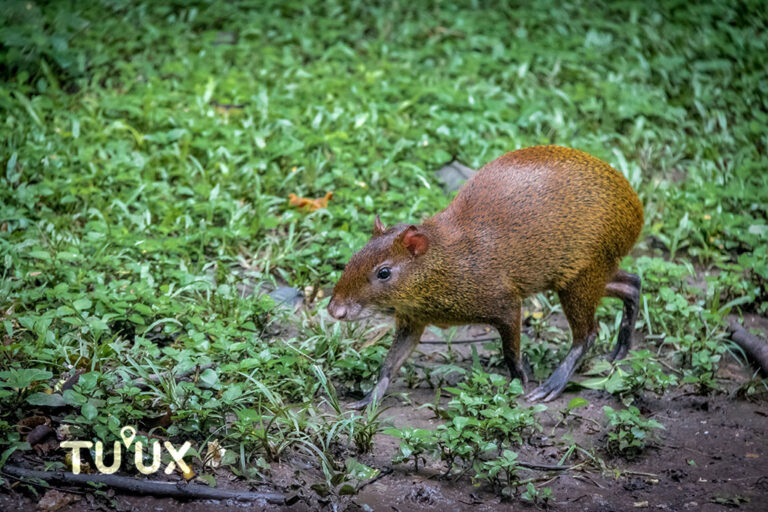
Las primeras fotografías forman parte del archivo visual de TuuxMahahual. Las imágenes adicionales se utilizan como material ilustrativo y se identifican con cautela cuando el archivo no garantiza la especie o localidad.
📷 Gallery · Baird’s tapir
The first photographs belong to the TuuxMahahual visual archive. Additional images are presented as illustrative material whenever species or locality metadata cannot be independently confirmed.
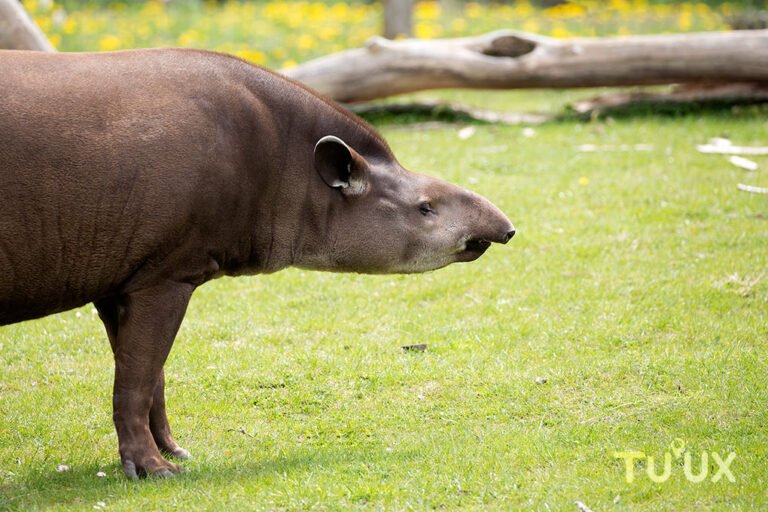
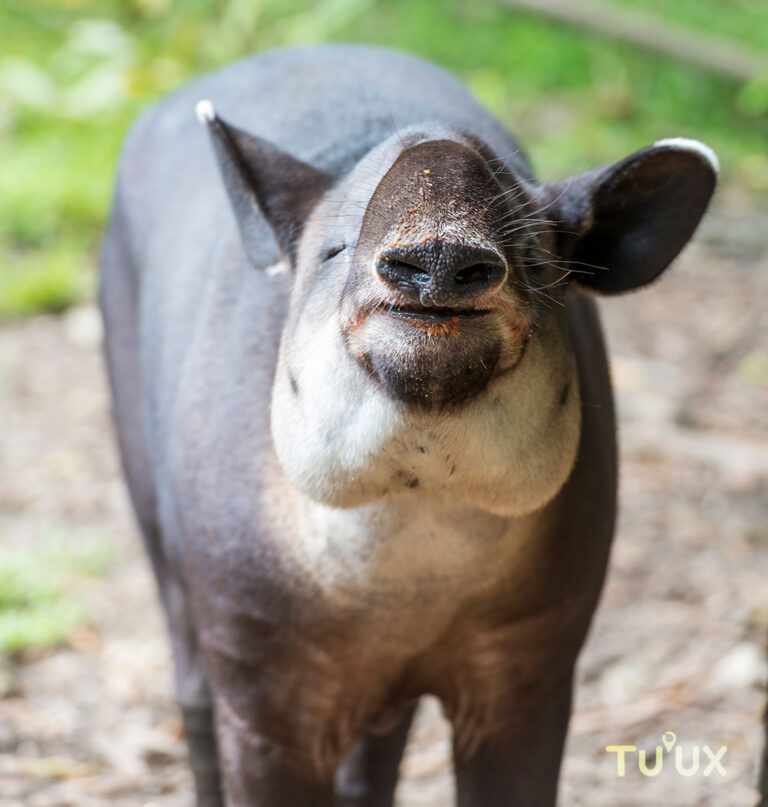
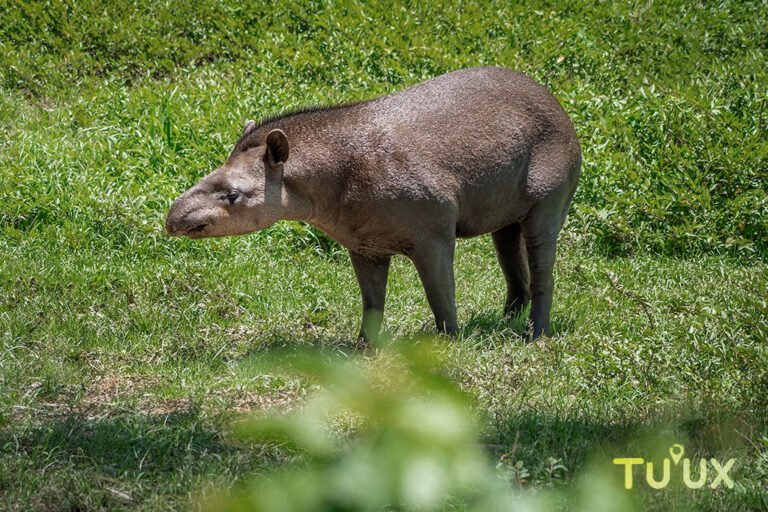
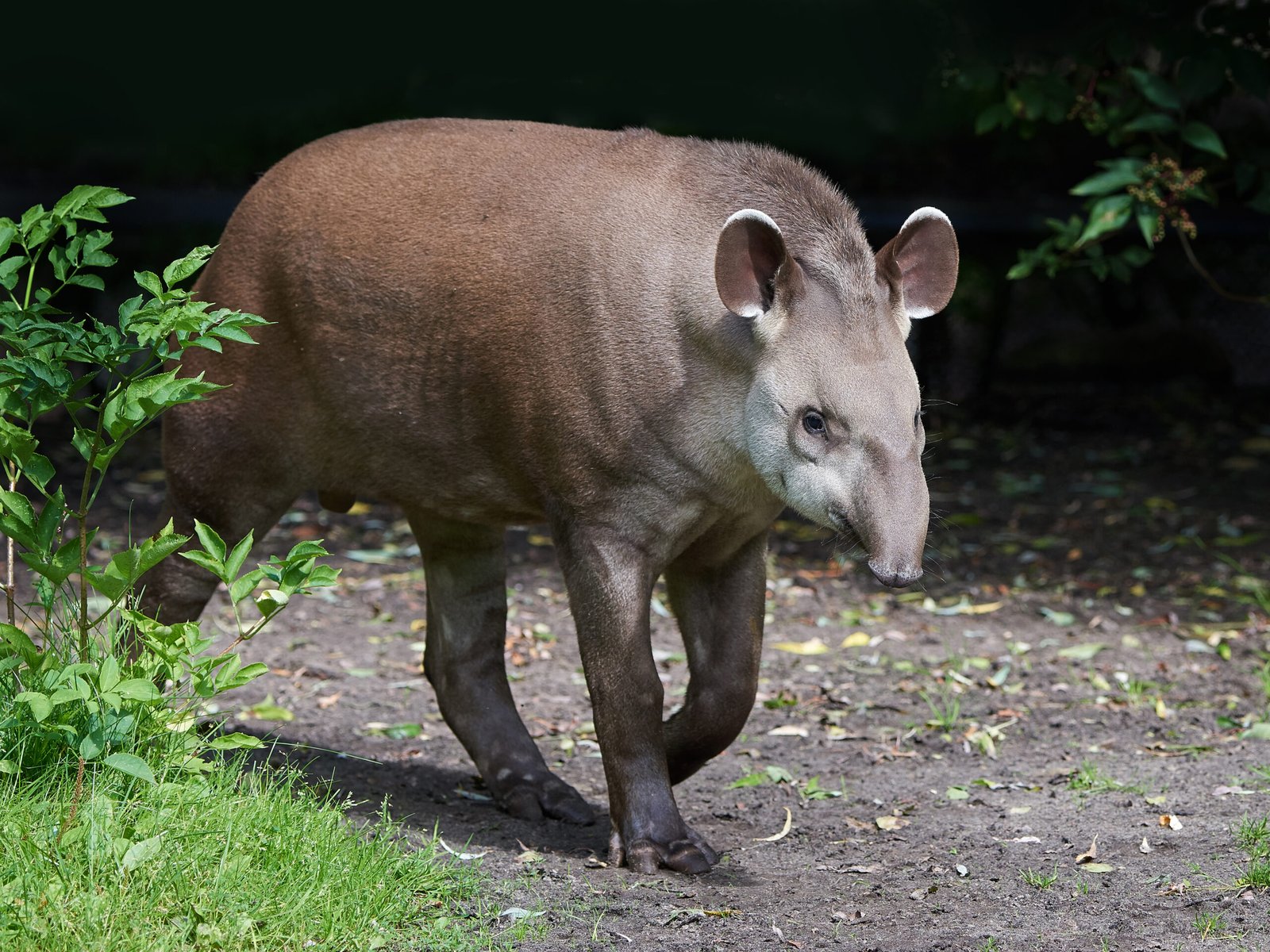
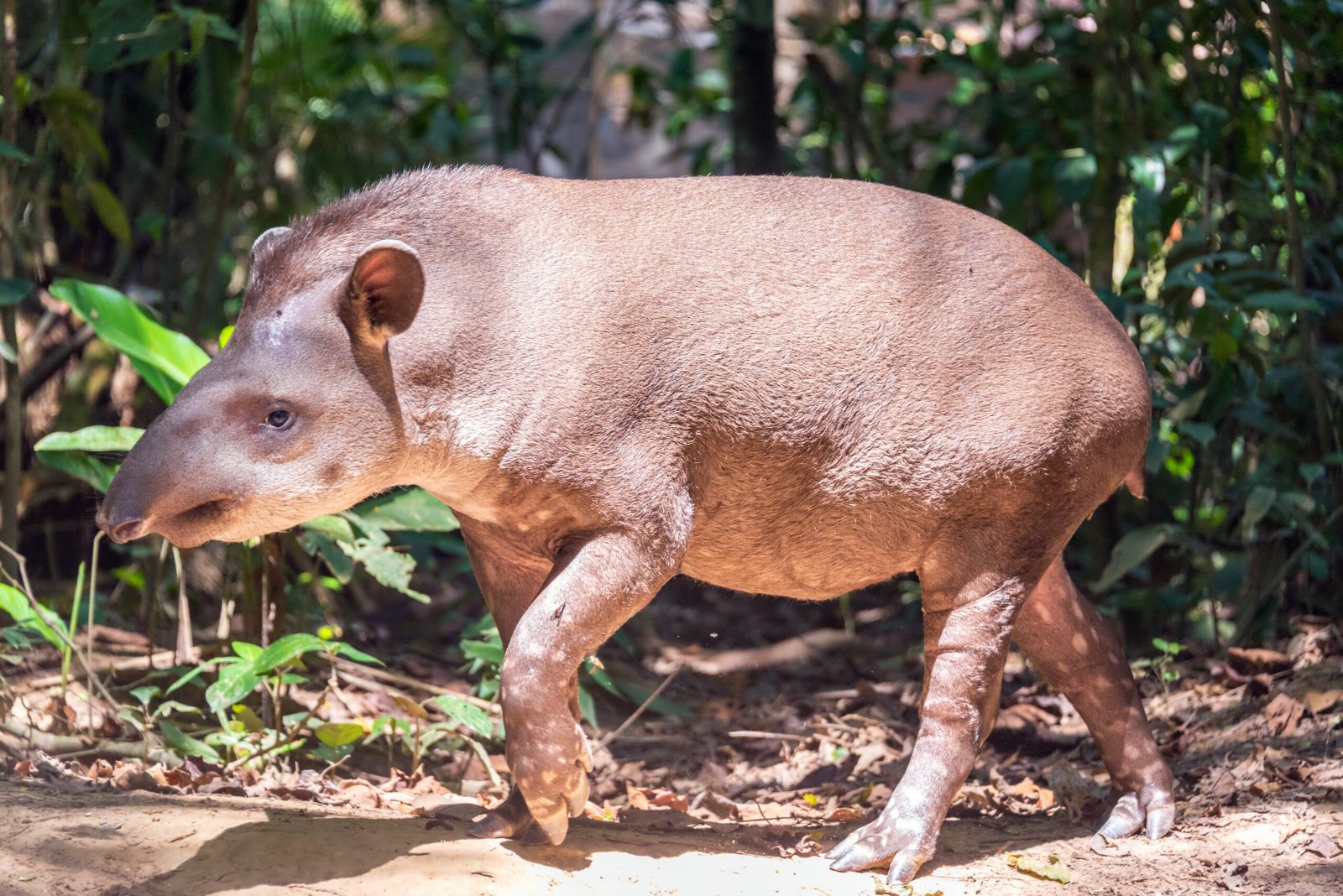
Nota editorial: no utilizamos el nombre del archivo como prueba de identificación taxonómica. Cuando la especie o la localidad no pueden verificarse, la fotografía se presenta únicamente como ilustrativa.
Editorial note: file names are not treated as taxonomic evidence. When species or locality cannot be verified, photographs are presented only as illustrative material.
❓ Preguntas frecuentes
¿Hay tapires en Mahahual?
¿Cuál es el nombre científico correcto?
¿Cuánto pesa un tapir centroamericano?
¿Es el mamífero terrestre más grande de Mesoamérica?
¿Qué come?
¿Por qué le llaman jardinero del bosque?
¿Los tapires saben nadar?
¿Es un animal nocturno?
¿Está en peligro de extinción?
¿Por qué las carreteras son una amenaza?
¿Cuántas crías tiene?
¿Es peligroso para las personas?
¿Qué hago si uno cruza frente a mi vehículo?
❓ Frequently asked questions
Are Baird’s tapirs found around Mahahual?
Is the scientific name Tapirus or Tapirella?
Are Baird’s tapirs endangered?
What do tapirs eat?
Why are tapirs called forest gardeners?
📚 Fuentes científicas y oficiales
- CONABIO · EncicloVida · Tapirella bairdii — taxonomía, NOM-059, UICN y CITES.
- Mammal Diversity Database · Tapirus bairdii — tratamiento taxonómico internacional actual.
- Ayuntamiento de Othón P. Blanco · Programa de Desarrollo Urbano de Mahahual — fauna regional.
- Quintana Roo Hoy · Tapir cruzando carretera cerca de Mahahual · julio 2026 — registro público reciente.
- Por Esto! · Fauna y carretera Cafetal–Mahahual — antecedente de atropellamiento.
- Revista Mexicana de Biodiversidad · Disponibilidad de agua y Tapirus bairdii — investigación en Calakmul.
- Therya · Multiannual home range of a Baird’s tapir — movimientos y área utilizada en Calakmul.
- Journal of Tropical Ecology · Effective dispersal of large seeds by Baird’s tapir — dispersión de semillas.
- Tropical Conservation Science · Ecology and Conservation of Baird’s Tapir in Mexico — ecología, alimentación y conservación.
📚 Scientific and official sources
- CONABIO EncicloVida — taxonomy and conservation.
- Mammal Diversity Database — current mammalian taxonomy.
- Mahahual Urban Development Program — regional fauna.
- Mexican Biodiversity Journal — water availability in Calakmul.
- Therya — multiannual movement and home range.
- Journal of Tropical Ecology — seed dispersal.
- Tropical Conservation Science — ecology and conservation in Mexico.
El tapir no necesita ser visto todos los días para dejar huella.
Mientras camina entre selvas, humedales y aguadas, consume vegetación, transporta semillas y conecta distintos puntos del paisaje.
El avistamiento registrado cerca de Mahahual en 2026 es una oportunidad para maravillarnos, pero también una advertencia.
Proteger al tapir significa conservar selva continua, agua, corredores y carreteras donde la vida silvestre pueda cruzar sin pagar con su vida.
A tapir does not need to be seen every day to leave an ecological footprint.
As it moves between forests, wetlands and waterholes, it consumes vegetation, transports seeds and connects different parts of the landscape.
Protecting Baird’s tapir means protecting connected forest, water, wildlife corridors and safer roads.