CASCABEL
Caribe Mexicano · Mahahual · Selva · Fauna
🐍 Serpientes de cascabel (Crotalus) en Mahahual y el Caribe mexicano
No todo en Mahahual es arrecife y mar: tierra adentro, la selva también late. Conoce a las cascabeles, su papel ecológico, cómo evitar riesgos y qué hacer ante un encuentro.
Mexican Caribbean · Mahahual · Jungle · Wildlife
🐍 Rattlesnakes (Crotalus) in Mahahual and the Mexican Caribbean
Mahahual isn’t only reef and sea—just inland, the jungle is alive. Learn about rattlesnakes, their ecological role, how to stay safe, and what to do if you encounter one.
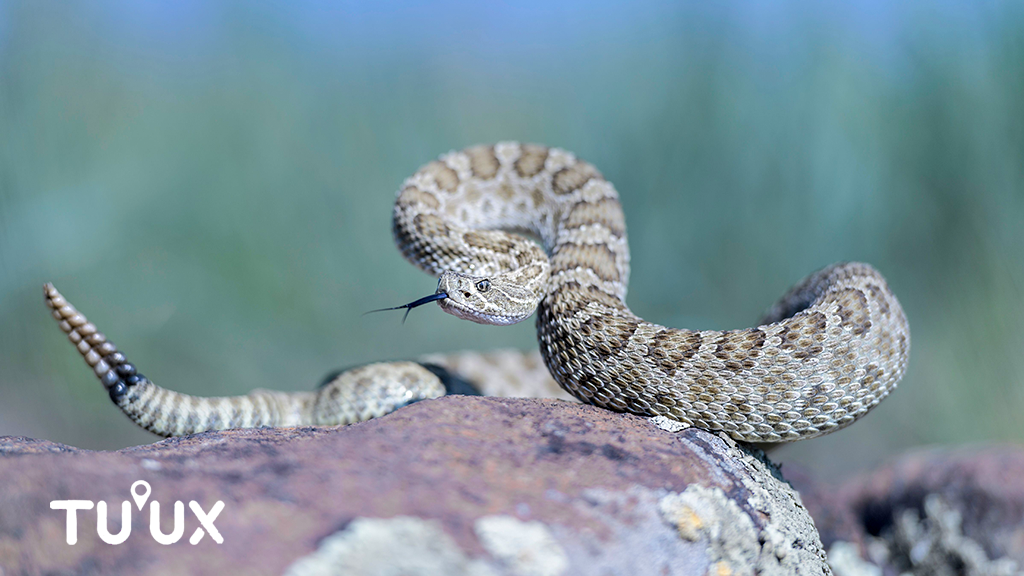
Cuando se habla de fauna en el Caribe mexicano, casi siempre pensamos en tortugas, peces tropicales y manglares. Pero en el “otro Mahahual” —el de brechas, monte bajo y selva— habita un reptil tan fascinante como incomprendido: las serpientes de cascabel del género Crotalus.
Su presencia suele ser discreta y los avistamientos no son comunes en zonas turísticas. Aun así, forman parte del equilibrio natural del sur de Quintana Roo y, con información clara, es fácil convivir con ellas de forma segura.
In the Mexican Caribbean, wildlife conversations usually focus on turtles, tropical fish, and mangroves. But in the “other Mahahual”—dirt tracks, low scrub, and jungle—there’s a reptile that’s both fascinating and often misunderstood: rattlesnakes from the genus Crotalus.
They’re rarely seen in tourist areas and tend to keep a low profile. Still, they’re part of the natural balance in southern Quintana Roo—and with the right information, living alongside them is straightforward and safe.
🌿 ¿Hay serpientes de cascabel en la zona de Mahahual?
Sí. En la Península de Yucatán existe una especie nativa conocida como cascabel yucateca (Crotalus tzabcan), distribuida en la región (Yucatán, Campeche y Quintana Roo).
En el área de Mahahual y comunidades cercanas, su presencia se asocia más a zonas de monte y selva (brechas, caminos rurales y terrenos poco intervenidos) que a la franja hotelera o playa.
🌿 Are there rattlesnakes around Mahahual?
Yes. In the Yucatán Peninsula there’s a native species commonly known as the Yucatán rattlesnake (Crotalus tzabcan), found across the region (Yucatán, Campeche, and Quintana Roo).
Around Mahahual and nearby rural areas, it’s more associated with scrub and jungle habitats (dirt roads, rural paths, and low-impact land) than with the beachfront/tourist strip.
🔔 ¿Por qué “suenan”?
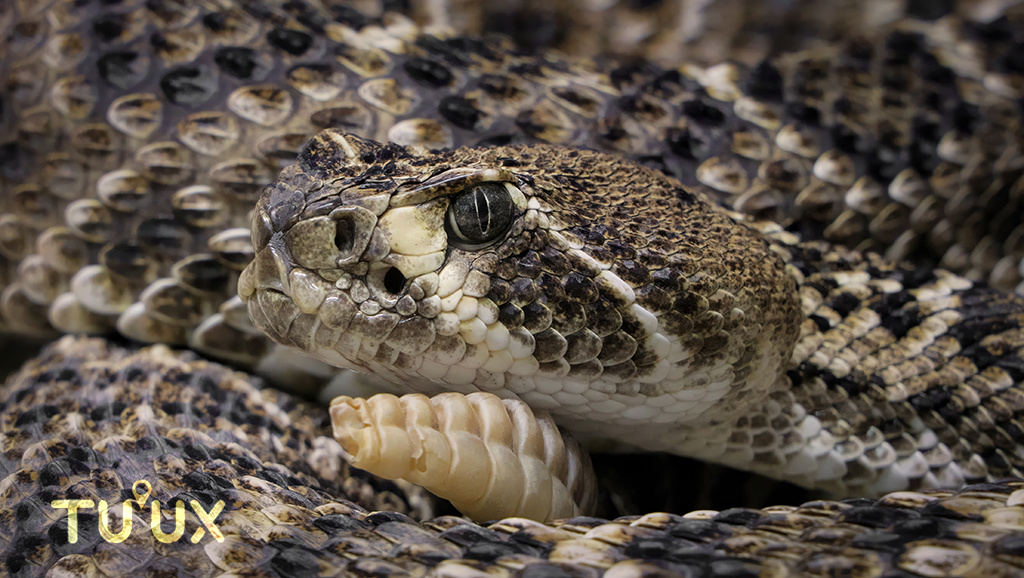
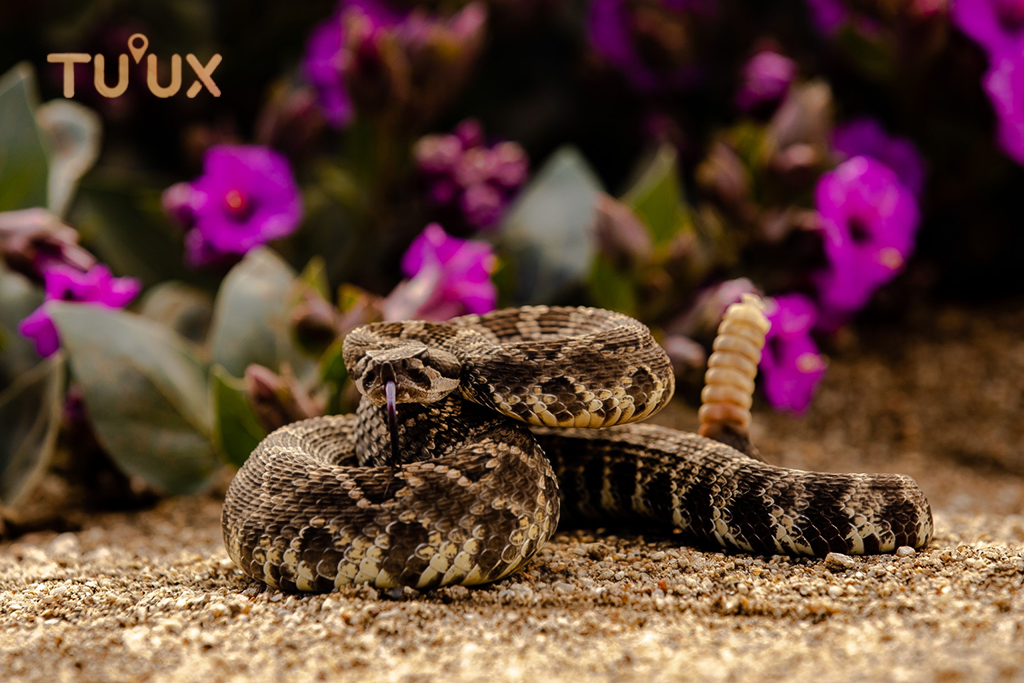
El cascabel no es un arma: es un sistema de advertencia. Al vibrar la punta de la cola, el sonido funciona como “señal de distancia” para que animales grandes (y personas) se alejen y se evite un conflicto.
- Fosetas térmicas: detectan calor y ayudan a ubicar presas incluso con poca luz.
- Camuflaje: colores terrosos que se mezclan con hojarasca y suelo.
- Comportamiento cauteloso: prefieren huir antes que confrontar.
🔔 Why do they “rattle”?
The rattle isn’t a weapon—it’s a warning system. When they vibrate the tail tip, the sound is a “keep your distance” signal to larger animals (and people), helping prevent dangerous encounters.
- Heat-sensing pits: detect warmth and help locate prey even in low light.
- Camouflage: earthy tones that blend into leaf litter and soil.
- Cautious behavior: they generally prefer retreat over confrontation.
🧩 Su rol en el Caribe mexicano: control natural de roedores
En ecosistemas del sur de Quintana Roo, las cascabeles ayudan a mantener el equilibrio al controlar poblaciones de roedores y otros pequeños animales. Esto tiene efectos positivos, incluso indirectos, para comunidades y actividades humanas (por ejemplo, menor presión de plagas en ciertas áreas).
🧩 Their role in the Mexican Caribbean: natural rodent control
In southern Quintana Roo ecosystems, rattlesnakes help maintain balance by controlling rodents and other small animals. This can have positive ripple effects for local communities and human activities (for instance, reducing pest pressure in some areas).
✅ Cómo reducir el riesgo de un encuentro
- Camina por senderos claros y evita meterte al monte con shorts/sandalias.
- En zona rural, usa calzado cerrado y linterna por la noche.
- No levantes rocas, láminas, troncos o escombros sin revisar primero.
- Si escuchas cascabel: detente, ubica de dónde viene y retrocede lento.
✅ How to lower the risk of an encounter
- Stay on clear paths and avoid walking into dense brush in sandals/shorts.
- In rural areas, wear closed-toe shoes and use a flashlight at night.
- Don’t lift rocks, sheets/boards, logs, or debris without checking first.
- If you hear a rattle: stop, locate the direction, and slowly back away.
🐍 ¿Encontraste una serpiente de cascabel en la zona rural?
Si te topas con una serpiente (incluida una cascabel) en brechas, terrenos o áreas rurales, lo más importante es no intentar moverla por tu cuenta. Dale espacio, evita rodearla y permite que se retire.
https://www.facebook.com/Aakmahahual
Este tipo de apoyo comunitario y ambiental protege tanto a las personas como a la fauna silvestre de la región.
🐍 Found a rattlesnake in a rural area?
If you encounter a snake (including a rattlesnake) on dirt roads, rural land, or inland areas, the key is do not try to move it yourself. Give it space, don’t surround it, and allow it to leave.
https://www.facebook.com/Aakmahahual
Community-based environmental support helps protect both people and local wildlife.
🚑 ¿Qué hacer si alguien fue mordido?
Aunque los incidentes son poco comunes, es fundamental actuar con calma y rapidez. El tratamiento efectivo es el suero antiofídico, que debe aplicarse por personal de salud.
- Aléjate de la serpiente para evitar una segunda mordida.
- Permanece calmado y limita el movimiento: acelera la circulación y puede empeorar síntomas.
- Inmoviliza la extremidad afectada en posición cómoda (sin apretar).
- Retira anillos, pulseras o ropa ajustada cerca de la zona (puede haber hinchazón).
- Busca atención médica inmediata: traslada a la persona al centro de salud/hospital más cercano.
- Si puedes, memoriza rasgos generales de la serpiente (sin capturarla).
- No cortes la herida.
- No succiones el veneno.
- No pongas torniquetes.
- No apliques hielo, químicos, pomadas “milagro” ni electricidad.
- No ingerir alcohol.
- No intentes capturar o matar a la serpiente.
Este contenido es informativo y no sustituye atención médica. Ante mordedura: prioridad total a traslado y evaluación clínica.
🚑 What to do if someone is bitten
Bites are uncommon, but it’s crucial to stay calm and act quickly. The effective treatment is antivenom, administered by medical professionals.
- Move away from the snake to avoid a second bite.
- Stay calm and limit movement; increased circulation can worsen symptoms.
- Immobilize the affected limb in a comfortable position (do not compress).
- Remove rings/bracelets/tight clothing near the area (swelling can occur).
- Seek medical care immediately: transport the person to the nearest clinic/hospital.
- If possible, remember general features of the snake (without attempting capture).
- Do not cut the wound.
- Do not attempt to suck out venom.
- Do not use tourniquets.
- Do not apply ice, chemicals, “miracle” ointments, or electricity.
- Do not give alcohol.
- Do not try to capture or kill the snake.
This is informational and not medical advice. In case of a bite: prioritize transport and clinical evaluation.
✨ Conclusión
Las cascabeles son parte de la selva viva del Caribe mexicano. Respetar su espacio, prevenir encuentros y recurrir a apoyo local cuando sea necesario ayuda a proteger tanto a la comunidad como a la fauna.
Mahahual no solo es mar: también es selva, brecha, manglar y vida silvestre.
✨ Conclusion
Rattlesnakes are part of the living jungle of the Mexican Caribbean. Respecting their space, preventing encounters, and seeking local support when needed helps protect both the community and wildlife.
Mahahual isn’t only the sea—it’s also jungle, dirt roads, mangroves, and wild life.
mahahual caribe mexicano serpiente de cascabel crotalus crotalus tzabcan quintana roo fauna selva seguridad mordedura antiveneno relocalización proyecto aak